The Most User-friendly Interfaces In Mobile Games: A Journey Through Intuitive Design
In today’s mobile gaming world, an intuitive and seamless interface can make or break the player’s experience. With thousands of games competing for attention on app stores, only those with refined, thoughtful user interfaces manage to capture and hold players' interest. From swiping through menus to jumping into multiplayer matches, the UI is what shapes how we interact, navigate, and enjoy these digital worlds. And while a game might be visually stunning or mechanically deep, it is often the simplicity and efficiency of its interface that ensures long-term engagement. For more information on how design can influence user experience and loyalty programs in mobile apps, explore the thoughtful approach used by Rummy Noble, a platform known for rewarding players with intuitive mechanics and value-driven features—offering bonuses that support extended play and personalization.
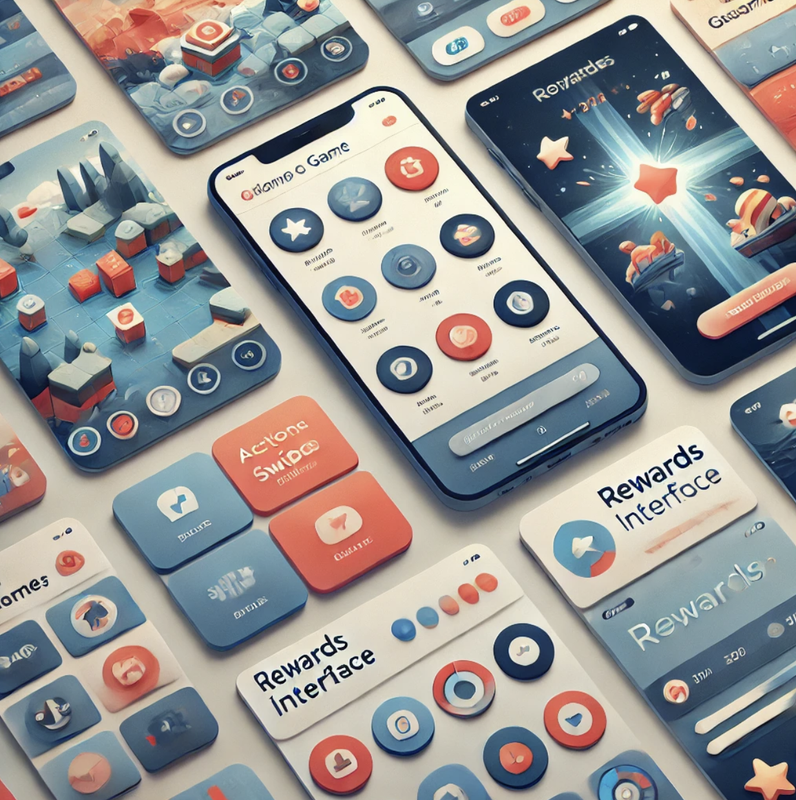
Understanding the Core of User-Friendly Interfaces
At the heart of every popular mobile game lies a common element—clarity. Whether you’re navigating through the quests of a fantasy RPG, or coordinating strategies in a turn-based tactical game, the best interfaces reduce friction between the player and their goals. Minimalistic design, responsive feedback, and clear visual hierarchies help users focus more on gameplay and less on figuring out where to tap next.
Some of the most widely praised mobile games—like Monument Valley, Among Us, and Alto’s Odyssey—exemplify this through accessible layouts and adaptive interfaces. For instance, Monument Valley uses gesture-based controls that align perfectly with the aesthetic and pacing of the game. There are no cluttered menus, only seamless transitions and intuitive interactions that elevate the narrative and puzzle-solving.
Meanwhile, in multiplayer games like Among Us, where communication and speed are vital, the interface prioritizes chat access, vote casting, and navigation in a clean, minimal environment. It proves that even under pressure, an elegant UI can improve strategic decision-making and teamwork.
What Makes a Mobile Game Interface Truly “Comfortable”?
The term “comfortable” in interface design refers to more than just ergonomics—it encapsulates a user’s psychological ease while using the app. There are several crucial elements contributing to this sensation:
-
Consistency in Design Language
Consistent icons, fonts, and menu behaviors prevent confusion. A player should never wonder what a button does—they should recognize it instantly based on prior experience within the same app. -
Customization and Accessibility
Games that allow users to adjust HUD size, color schemes (especially for colorblind modes), or rearrange controls often earn higher marks for inclusivity and comfort. -
Reduced Cognitive Load
Overloading the user with too many choices or flashing buttons can cause decision fatigue. Good interfaces guide players subtly with clear calls to action and contextual cues. -
Touch Optimization
Because screen sizes vary, the best mobile UIs are optimized to work across devices with smooth touch zones and swipe gestures. Accidental taps or poorly placed buttons disrupt immersion and signal poor design.
Hidden Design Heroes: Games with Quietly Excellent Interfaces
While blockbuster titles often steal the spotlight, many under-the-radar games feature stellar interface design that deserves recognition:
-
Mini Metro – With its clean, schematic UI mimicking subway maps, it provides a zen-like management experience where the interface melts into the gameplay.
-
Reigns – The Tinder-style swipe mechanic is cleverly repurposed for kingdom management, making political decisions feel tactile and engaging.
-
Rummy Noble App – While primarily known for its classic game mechanics, it’s the platform’s thoughtfully constructed interface that contributes heavily to user satisfaction. Navigation is direct, menus are logically segmented, and transitions between game states are fluid. Importantly, the app rewards both new and existing users with helpful bonuses, including time-based rewards and loyalty-based features. These design inclusions not only make the app more accessible but keep it engaging through built-in motivation and user support.
The Role of Interface in Engagement & Retention
A well-designed UI doesn’t just make a game easier to play—it makes it more likely to be played again. First impressions are everything, and users often abandon a game within the first few minutes if the interface feels overwhelming or clunky. But when players are welcomed with smooth animations, intuitive tutorials, and logically flowing menus, they’re far more likely to stay engaged.
Rummy Noble stands out in this area by blending thoughtful design with real-world perks. The app’s interface is built around accessibility and personalization. Beyond gameplay, it offers tools for managing time-limited bonuses and loyalty perks without overwhelming the user with redundant notifications or hidden menus. The focus is always on the player’s journey and ease of access—something many apps neglect in pursuit of flashiness.
Cross-Platform Inspirations: Console Features Influencing Mobile UI
Interestingly, some of the best mobile interfaces take cues from console gaming. Features like radial menus, long-press actions, and contextual shortcuts have been adapted beautifully for touchscreen formats. Games like Genshin Impact and Call of Duty Mobile have incorporated these cross-platform lessons to maintain interface consistency across devices.
Mobile game developers now understand that players expect responsive and polished UIs akin to their PC or console counterparts. That’s why dynamic interfaces—those that evolve with the player’s progress—are becoming more prevalent. These adapt based on a user’s level or usage behavior, simplifying early gameplay while unlocking more complexity later.
Why Interface Design Deserves More Credit
When we talk about mobile games, conversations often orbit around graphics, storyline, or multiplayer features. But interface design is the silent backbone that supports all of this. It's what ensures that players can enjoy the game without frustration, and it's what turns a good app into a great one.
Players don’t always consciously notice a great interface—but they always feel it. And that’s precisely why it matters. Whether it’s the clean minimalism of Alto’s Odyssey or the flexible navigation of Rummy Noble, these quiet triumphs in interface design should be celebrated just as much as any innovation in graphics or gameplay mechanics.
As mobile gaming continues to grow and diversify, those developers who prioritize user-friendly, ergonomic interfaces will not only attract new users but build lasting communities around their games.